
When you want to purchase a house, there are various aspects that may affect your decision, such as location, connectivity, space, facilities and the name of the builder. However, apart from these elements, there is one aspect that affects the property market without people knowing about it, i.e., inflation.
Knowledge of how inflation affects property prices can prove to be helpful for people buying a home or those who are looking to invest in it in the long run. Inflation can affect the real estate market based on changes in the property prices.
What Is Inflation?
Inflation is defined as the overall increase in the prices of commodities. The purchasing power of the dollar becomes weaker as the prices keep on increasing.
Real estate is not immune to inflation. Construction involves the use of building materials like cement, iron, glass, and electrical gadgets. An increase in the prices of these materials can lead to an increase in the cost of construction.
This may impact the price of new houses.
How Inflation Influences Property Prices
One of the most obvious affects of inflation on the housing market situation results from increasing costs of construction.
If there are higher expenses associated with the construction of a project, then the total development cost might go up. It may have an impact on the price of the apartment, especially in the case of high-quality materials and infrastructure.
On the other hand, a house may provide tangible property that can hold its value for a longer period of time. This is why people often tend to buy houses for their financial planning.
Demand Can Also Shape Prices
Inflation does not impact all properties in the same manner. The role of demand cannot be overlooked in this case.
Properties that have higher levels of connectivity, along with higher demands from residential buyers, will continue to attract buyers even when prices increase. Locations that offer good infrastructural facilities, employment avenues, education institutions, medical facilities, and daily conveniences can keep their allure intact.
This explains why prospective buyers must look beyond property prices.
Why Location Matters During Inflation
A strategic location may even enhance the future worth of a house. As the development of a place takes place, better roads, transportation, business centres, and social amenities may make that area more appealing.
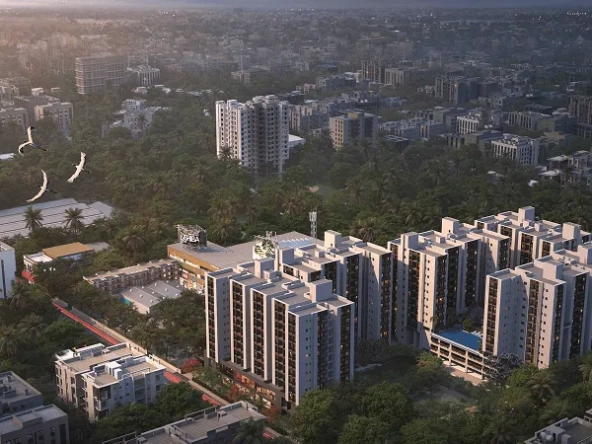
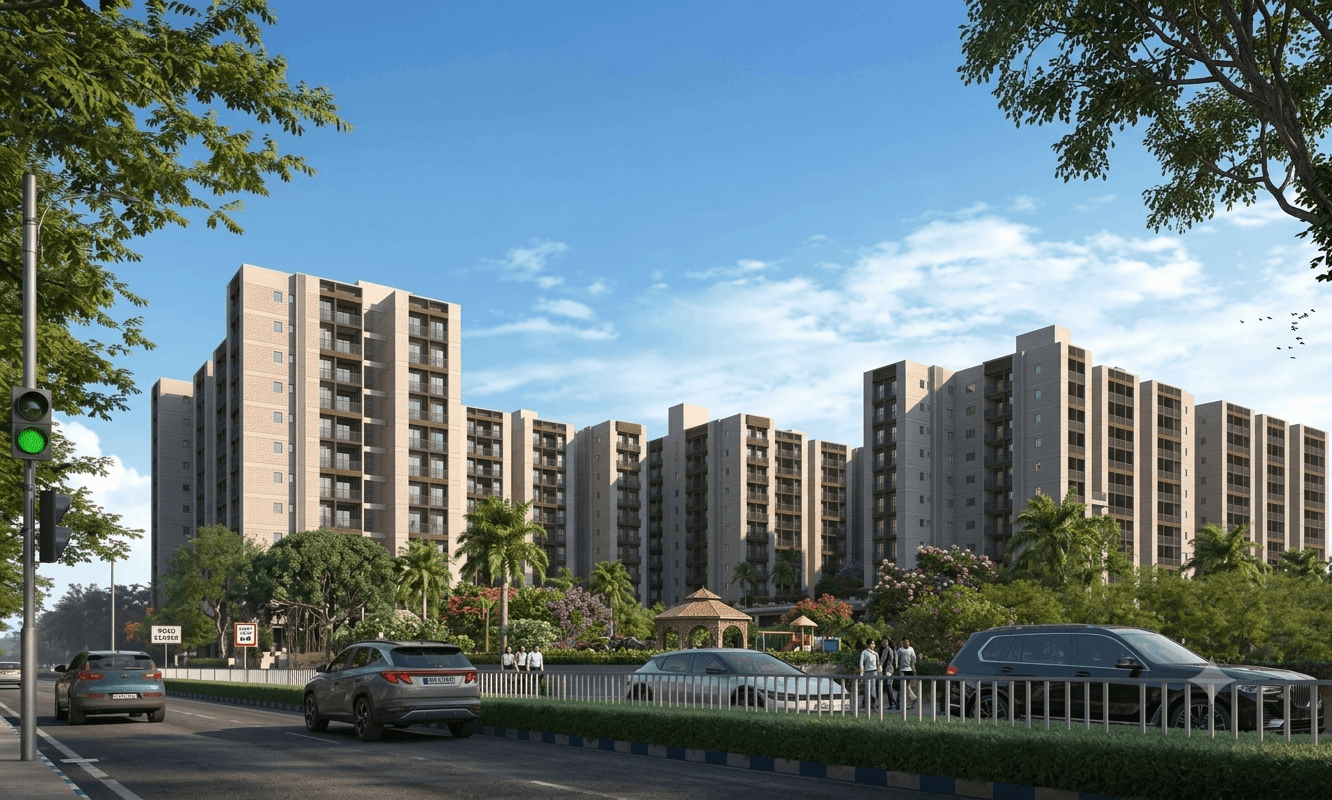
Srijan Realty provides a variety of residential properties in many different places in the city of Kolkata, like Rajarhat, Madhyamgram, Southern bypass, Maheshtala, among others. The company’s residential units vary from residential flats to luxury residences as well as elderly housing.
In view of the above, one should consider the location of the property in addition to its current price.
Inflation and Homebuying Decisions
When buying a house, it becomes especially crucial to have an appropriate financial plan. Rather than focusing on the price of an apartment alone, one needs to consider his/her salary, savings, ability to repay a mortgage, and other expenditures on purchasing.
The choice of real estate must be appropriate for the financial plan. Buying a property merely because of price increases is too much stress.
On the other hand, delaying the purchase might result in changes to the affordability of the property due to increasing construction costs and other factors.
The best option is to know your financial situation and choose the proper housing.
Can Inflation Increase Rental Demand?
Inflation could have an effect on the rental market as well. If buying houses becomes unaffordable for certain families, they will remain as tenants. This could help boost rental demand in places that are attractive to people due to employment, connection, and social facilities.
From the point of view of the real estate investor, rental demand could be considered another aspect to consider along with capital gains.
Choosing a Home for Long-Term Value
With regard to property prices, it is important to think beyond the initial buying process. A house should have a long-term value because of its location, planning, amenities, connectivity, and overall quality.
There has been a recent trend in modern housing complexes in making it an overall community as opposed to just putting up an apartment.
Closing Thoughts
Inflation impacts property prices through increased building expenses, alterations to buyer affordability, and demand in the housing market. Nevertheless, it does not depict the whole picture.
The location, connectivity, infrastructure, quality, amenities, and potential for further development still play an important role in determining the value of the property.
The ideal strategy for a buyer is to learn about the affects of inflation on the housing market along with the consideration of personal financial priorities. With the right choice, you will be able to find a home as well as an investment for the future.
FAQs
1.How does inflation affect property prices?
Increases in the cost of building and construction materials can cause an increase in property prices.
2.What are the major impacts of inflation on the housing market situation?
Inflation may impact building costs, affordability, demand and rentals.
3.Can I purchase a property in inflation time?
It is all dependent upon your financial situation, nature of property and plans for the future.
4.Can inflation affect rental prices?
It can affect rentals depending on location and current market situation.